Band Advance Email Template for Venues and Festivals
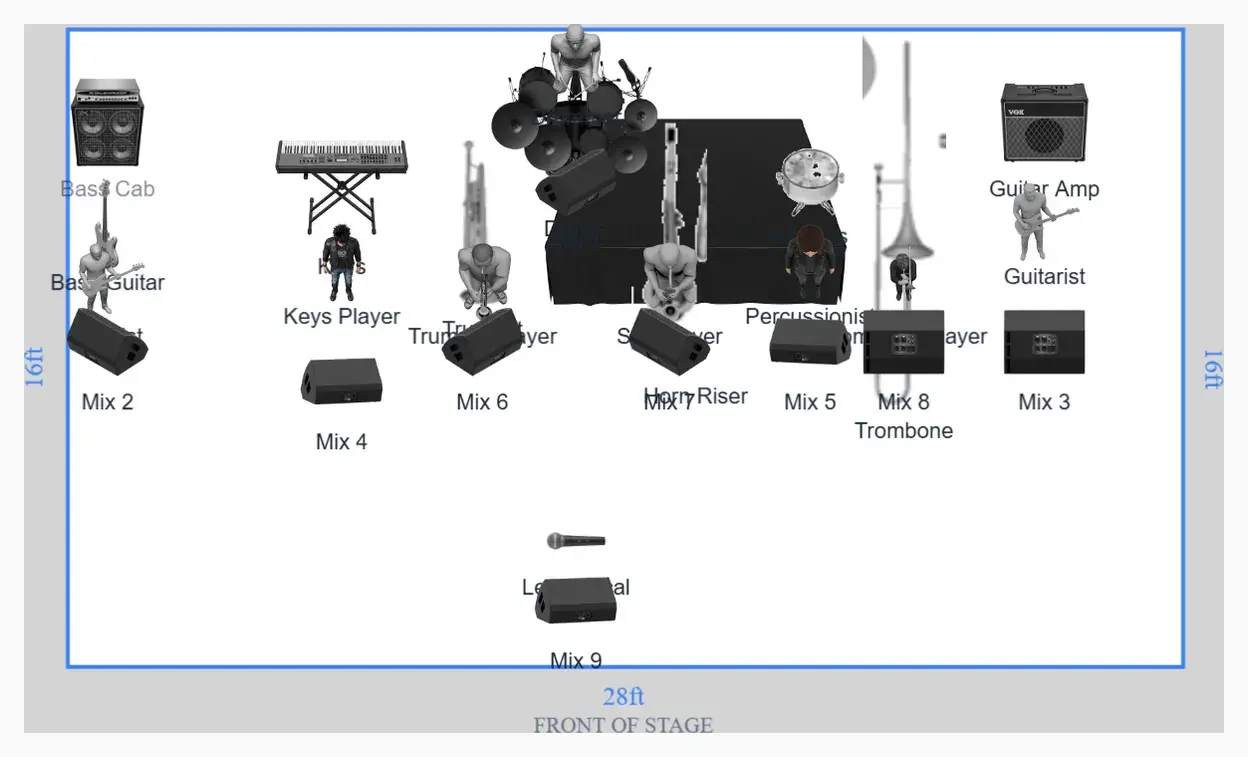
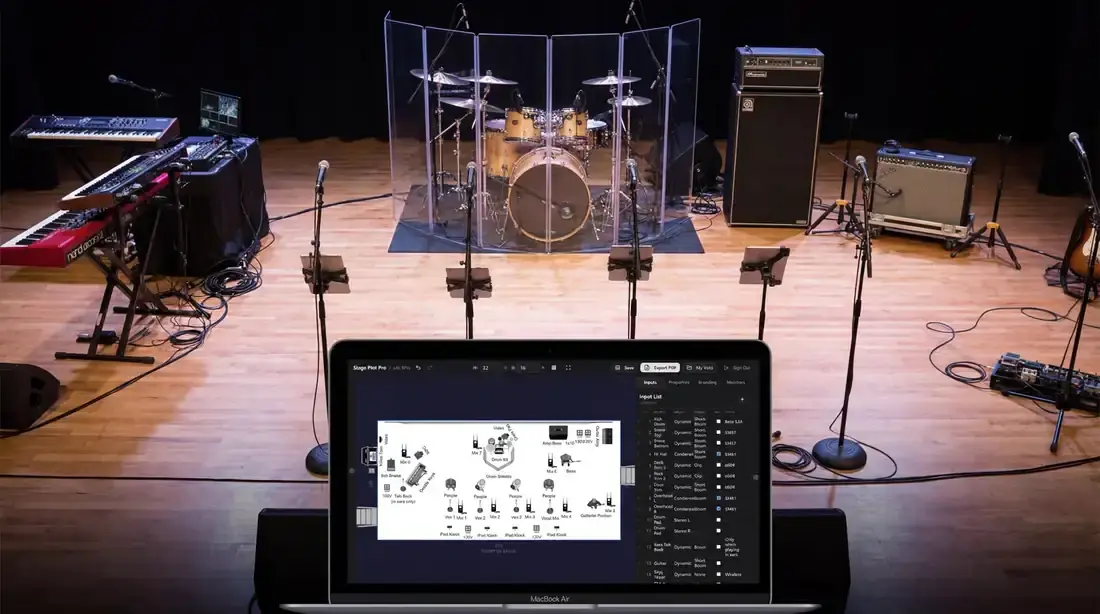
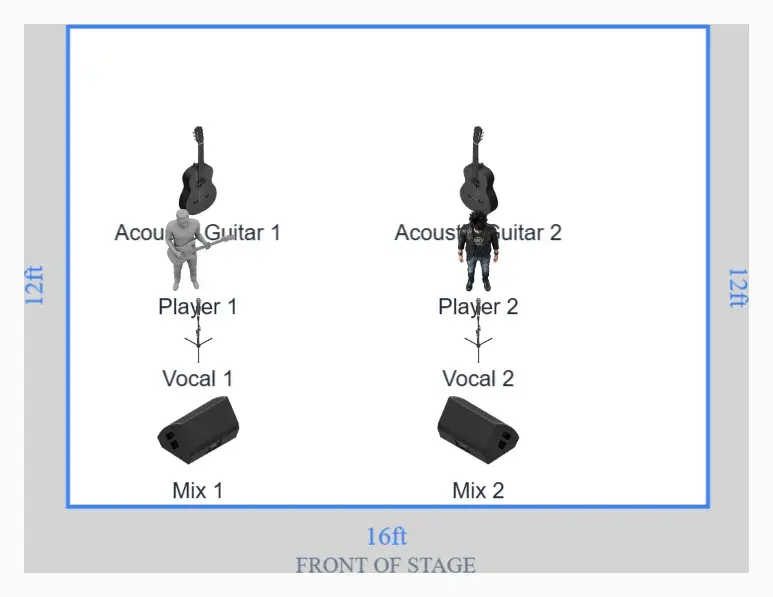
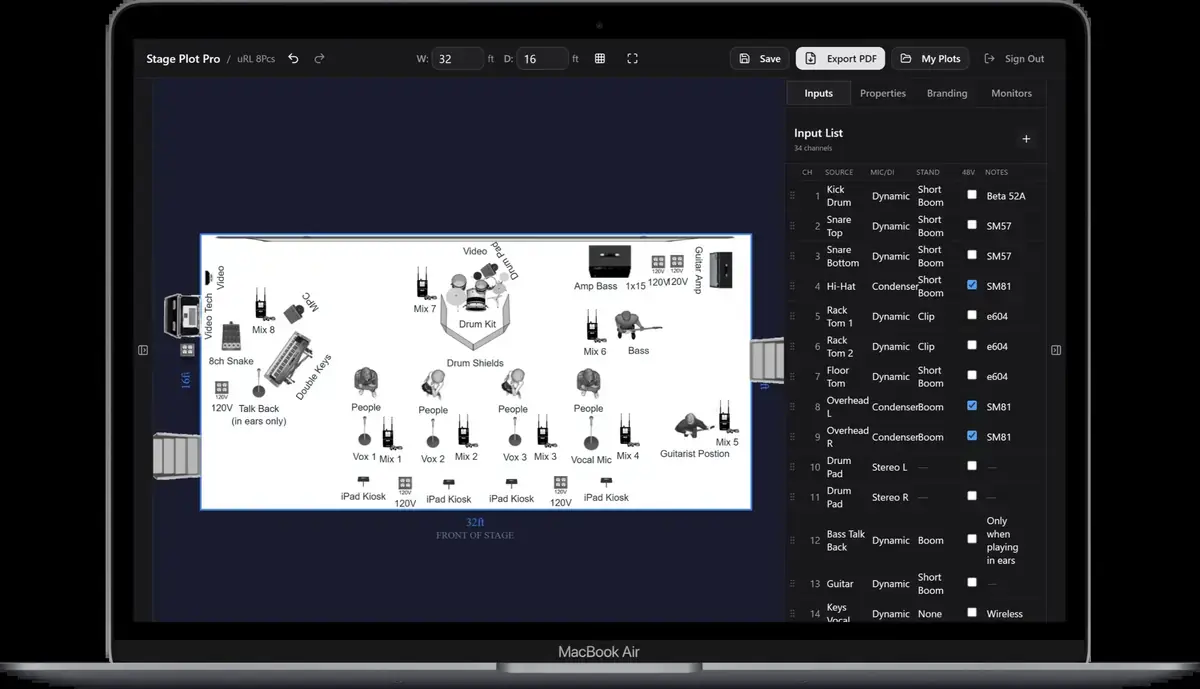
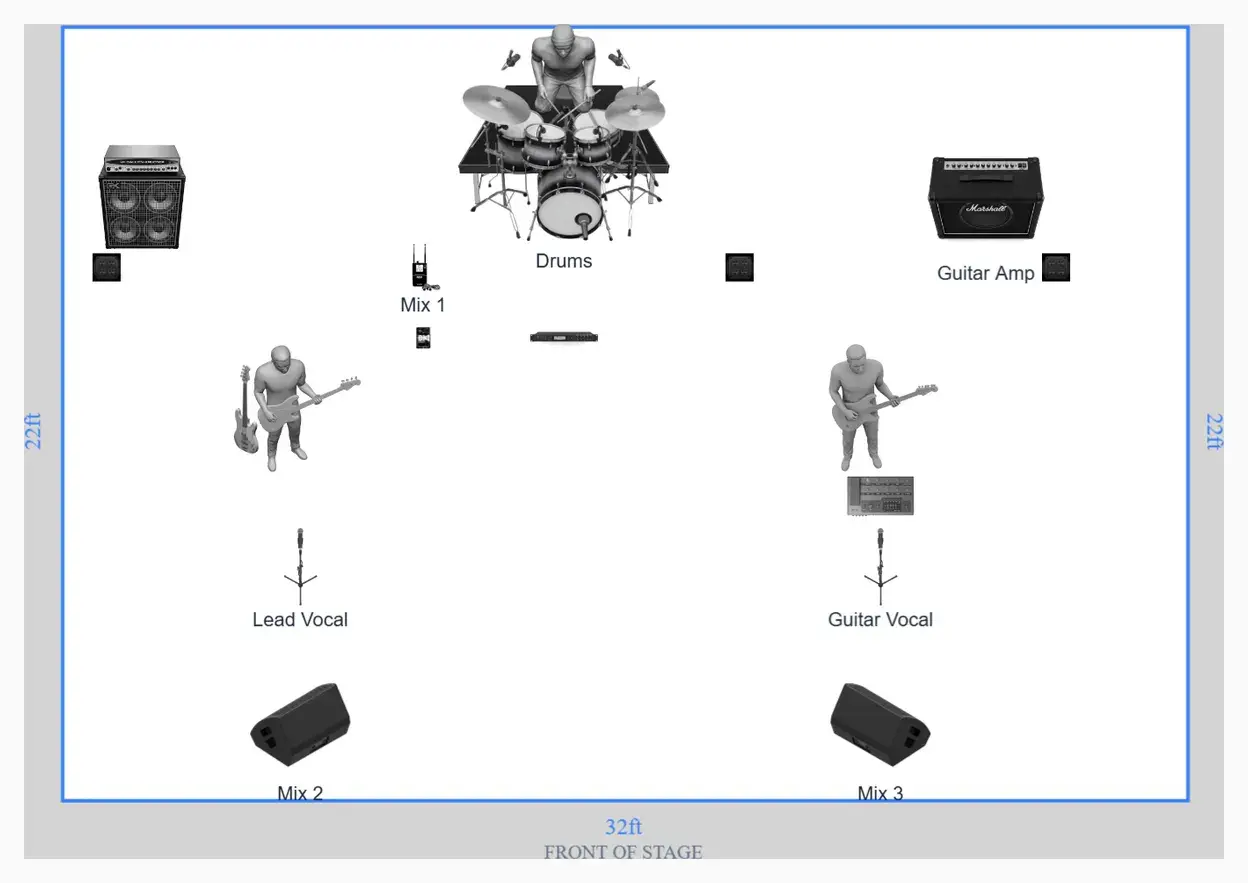
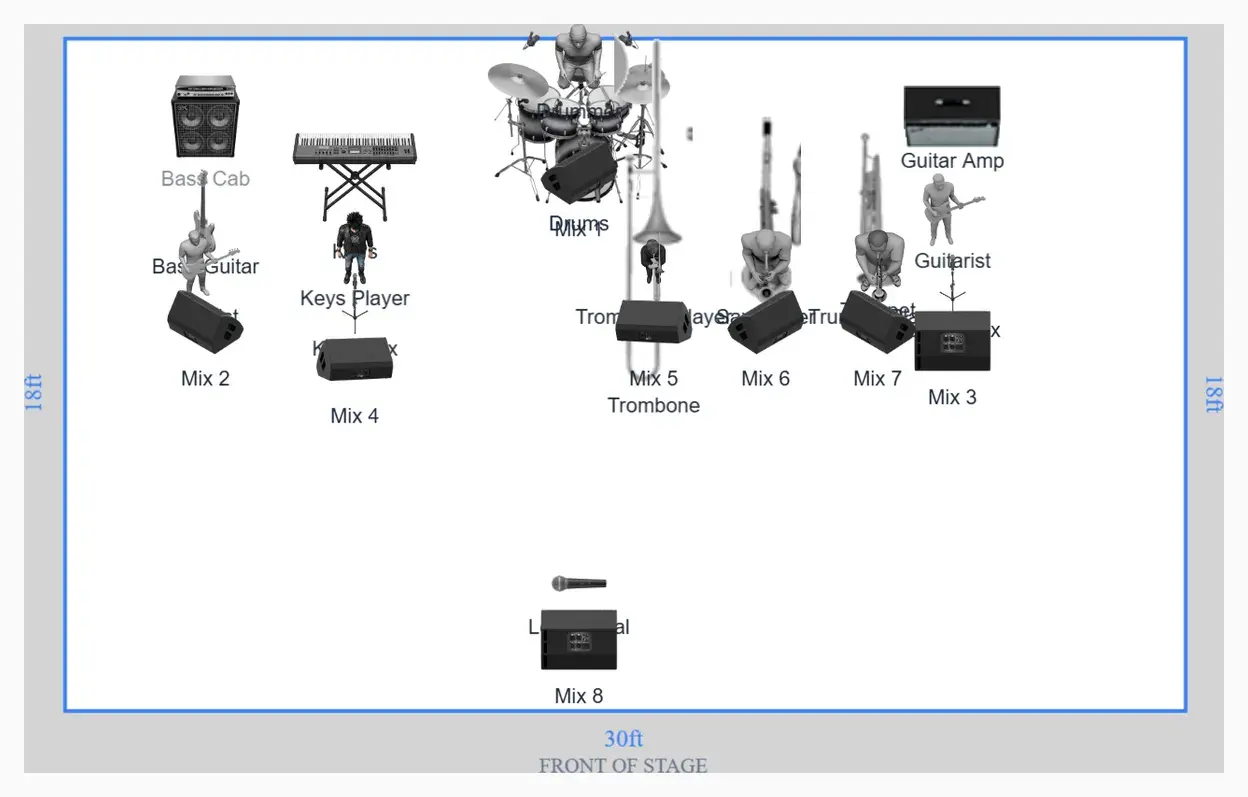
Send a clear band advance email with your stage plot, input list, rider, contact details, load-in questions, and a simple way for production to reply.
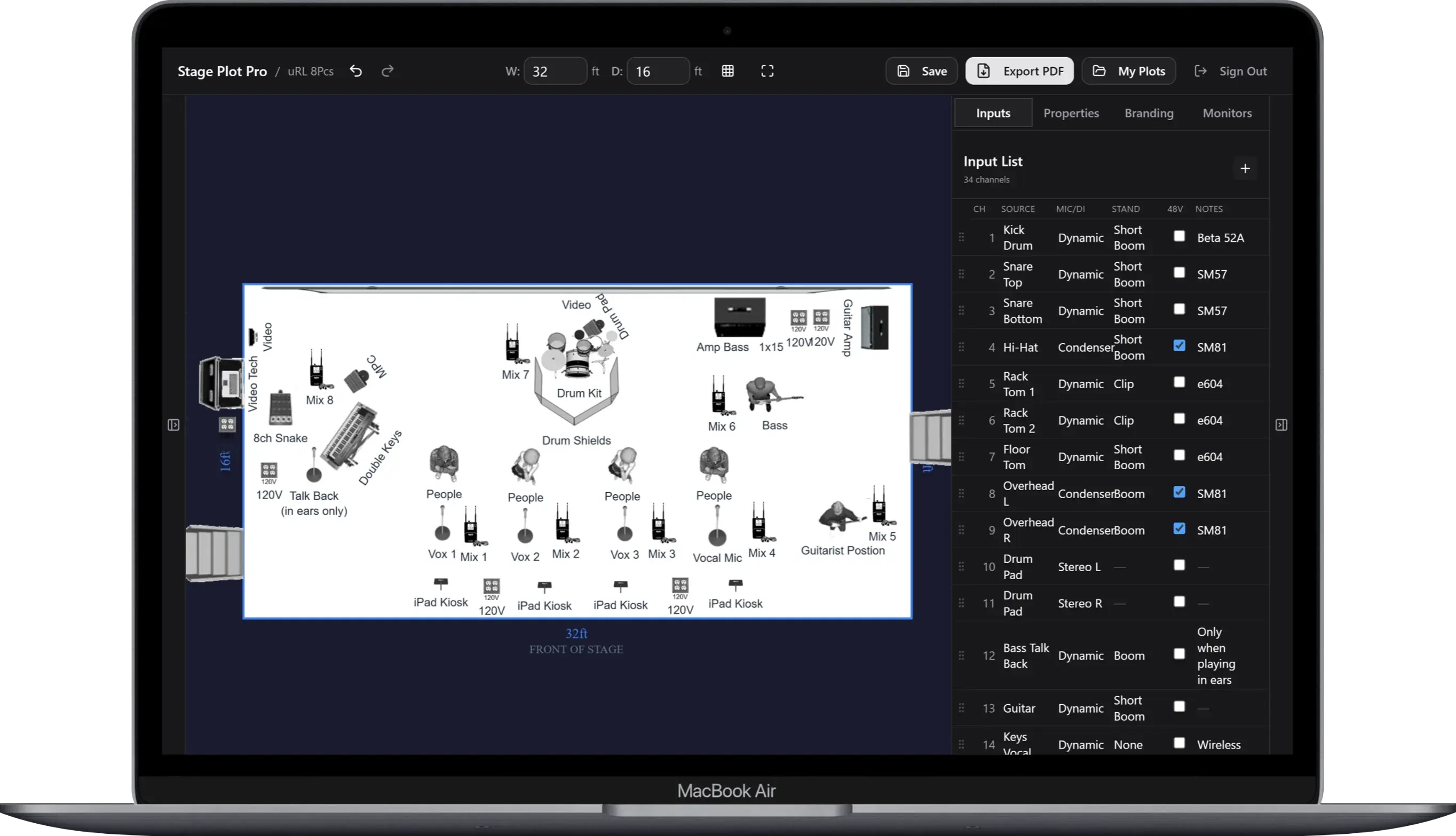
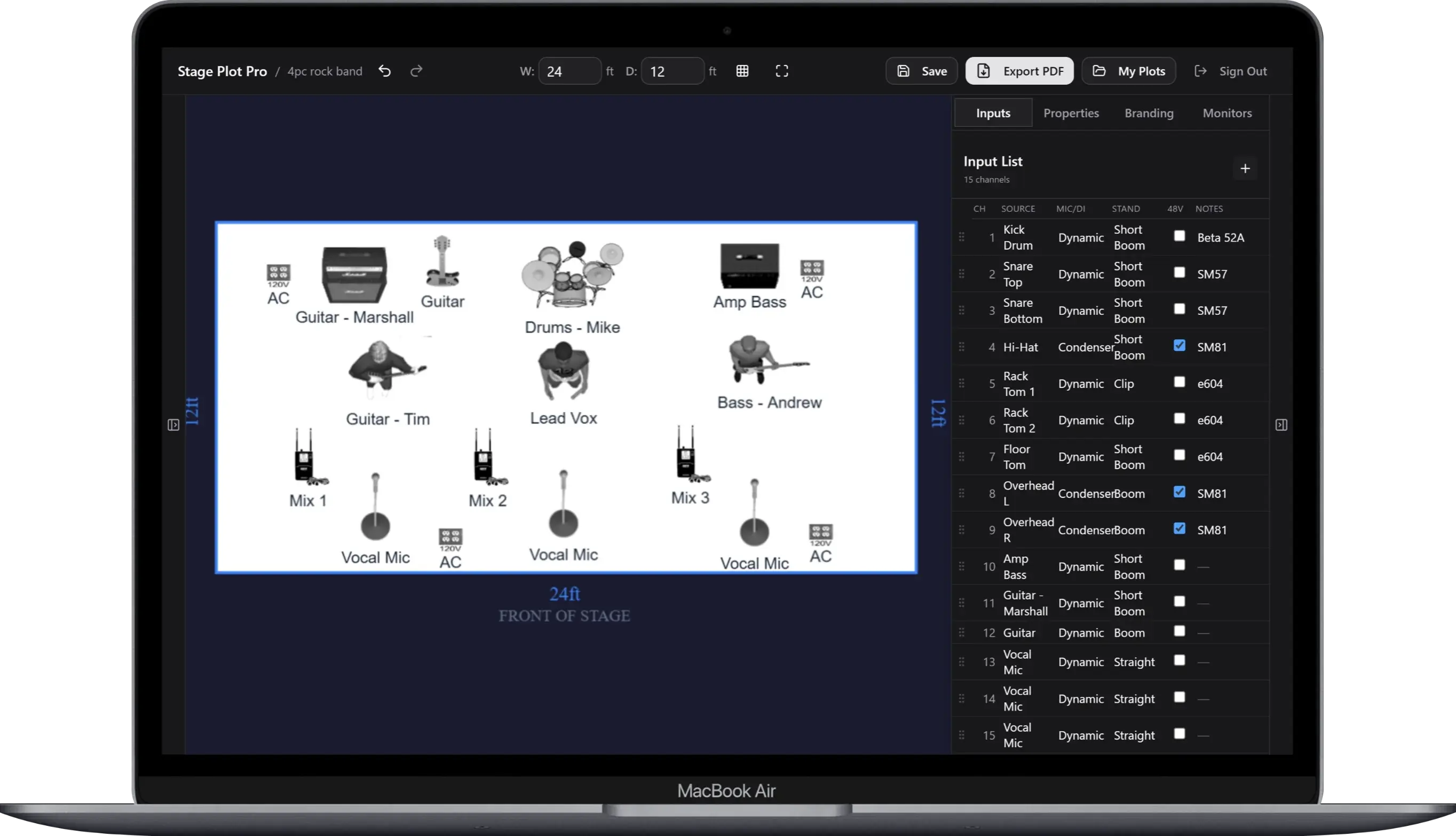
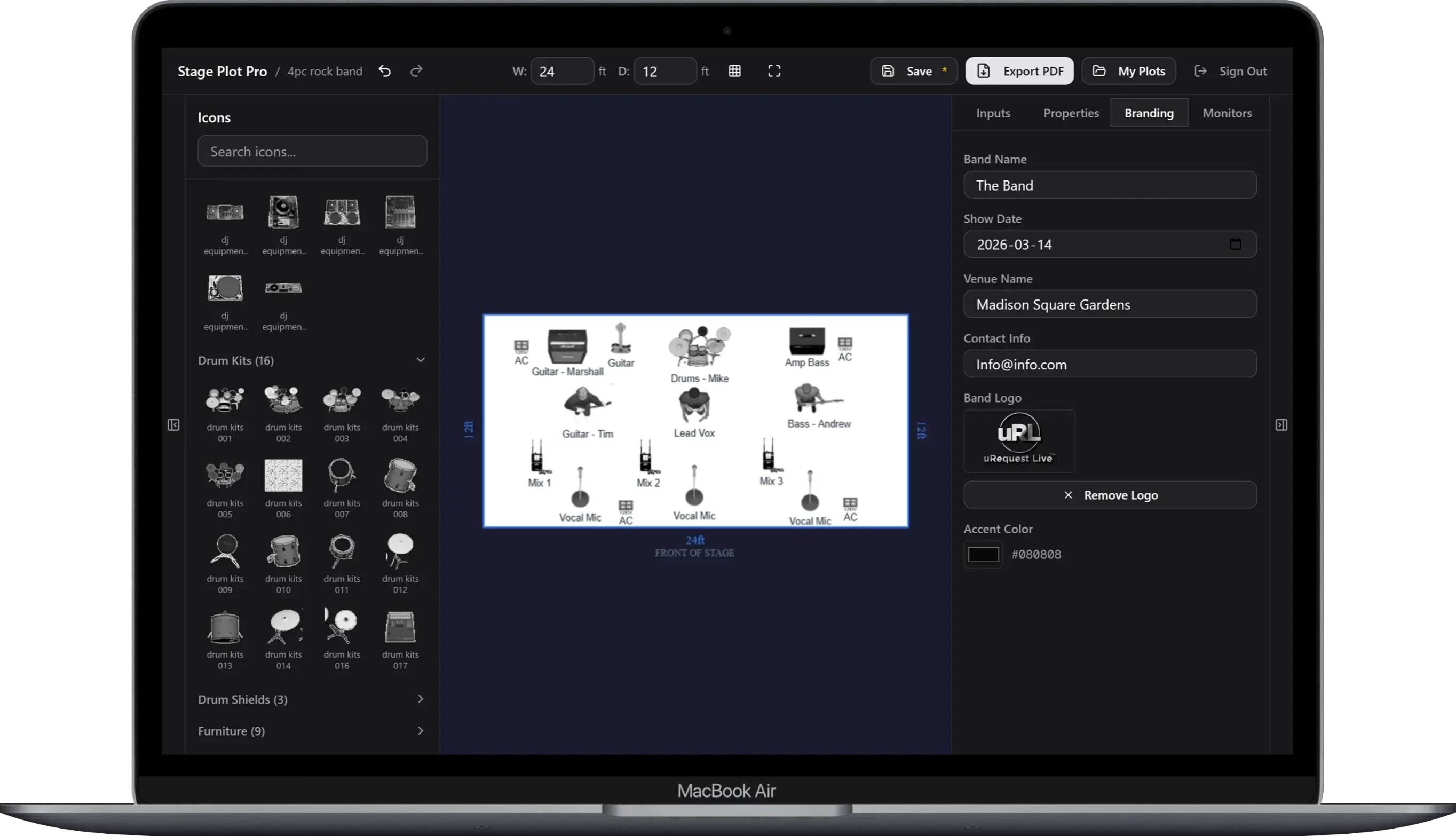
The step by step walkthrough, from performer positions to an exported PDF.
What the document is, who reads it, and what it has to communicate.
Turn a stage plot into the channel list an engineer can patch from.
Skip the reading and start placing gear on a stage.
Browse all 29 guides, from your first stage plot through input lists, monitor mixes and console prep.
Send a clear band advance email with your stage plot, input list, rider, contact details, load-in questions, and a simple way for production to reply.
Copy a practical band input list format for channels, sources, microphones, DI boxes, phantom power, stands, monitor notes, and venue advance paperwork.
Build a concise technical rider for your band with a stage plot, input list, monitors, backline, power, timing, clear contacts, and advance-ready notes.
Learn a practical live sound channel order for drums, bass, guitars, keys, tracks, vocals, and spares so your input list matches a clean console workflow.
Use this monitor mix request template to state wedge or IEM mix counts, performer priorities, click routing, shared mixes, and soundcheck notes clearly.
Build a playback rig input list that separates tracks, click, guide, timecode, redundant outputs, DI channels, monitor routing, and front-of-house notes.
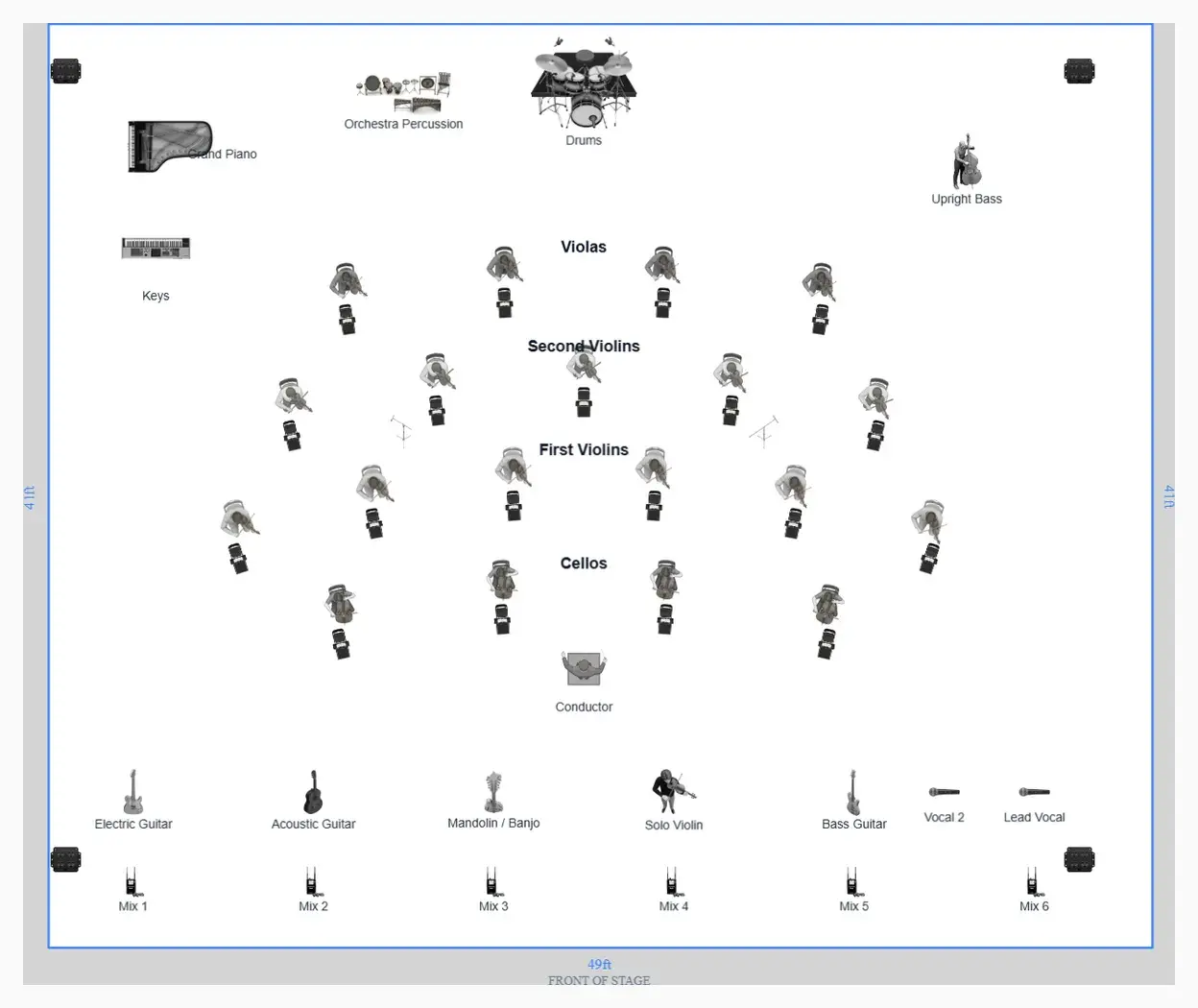
Make a shared-backline stage plot for festival and multi-band shows, clearly separating house gear, band gear, substitutions, changeover needs, and inputs.
Understand stage boxes, subsnakes, analog and digital splits, fan-outs, and console connections so your stage plot and input list match the physical patch.
Learn stage left and stage right from the performer perspective, label orientation correctly, and prevent mirrored layouts during venue setup and load in.
Follow the complete stage patch from microphone or DI through cables, stage boxes, snakes, split systems, console inputs, processing, monitors, and the PA.
Use this complete stage plot checklist to verify performer positions, inputs, monitors, power, stage dimensions, contact details, and venue-ready delivery.
Plan stereo keyboard and playback inputs correctly, including paired channels, DI boxes, panning, mono fallbacks, track outputs, click, and timecode routing.
Plan stereo keyboard DI channels for live sound with correct left and right labels, balanced outputs, mono fallbacks, input lists, and stage-plot notes.
Compare wedge monitors and in-ear monitors for live bands, including cost, feedback, isolation, mix count, click routing, stage-plot notes, and venue planning.
A load-in-tested checklist of cables, spares, and tools every gigging band should carry, organized by category so nothing gets left behind on the way out.
What a DI box actually does, when your instrument needs one, active versus passive, and why adding a DI to your stage plot does not add an input channel.
A load-in-tested guide to miking a drum kit for live shows, from a two-mic minimal setup to a full eight-piece rig, plus what actually needs a channel.
How to build a stage plot for a festival slot, where a stage manager who has never met you has minutes to read it, patch it, and move on to the next act.
Learn how to build a stage plot step by step, from mapping performer positions and inputs to sizing risers and exporting a PDF your venue and engineer can use.
A practical walkthrough for building an accurate input list from your stage plot, covering channel order, labeling, DI boxes, and how the app counts channels.
A practical guide to picking live vocal, guitar, and instrument microphones, covering dynamic versus condenser, polar patterns, and what holds up on stage.
How to build a monitor mix your band can actually perform to, covering wedge placement, aux sends, feedback control, and what to ask for at soundcheck.
What phantom power is, which mics and DI boxes need 48 volts, what it can damage, and how to switch it on safely without sending a pop through the PA.
A working order for band soundcheck, from line check to full mix, with realistic timing so a four-piece club gig or a festival changeover actually finishes.
A guide to sizing your stage plot correctly, with real stage dimensions, riser heights, and spacing rules so your layout matches the actual venue footprint.
The recurring stage plot mistakes that cost bands time at load in, from missing orientation to input counts that do not match the actual band on stage.
How to write a tech rider that gets read, covering stage plot, input list, backline, power, and monitor needs so advancing a show takes minutes, not days.
Practical advice for gigging musicians on communicating with front of house and monitor engineers, from advance paperwork through soundcheck to the show itself.
A plain English guide to what a stage plot is, what belongs on it, and how a clear diagram saves your band time and stress at every load in and every gig.